
Mycotoxin management continues to be an important focus in animal nutrition as feed manufacturers and livestock producers seek more reliable ways to reduce the risks associated with contaminated raw materials.
In September 2026, the European Food Safety Authority (EFSA) published a new scientific opinion evaluating a fumonisin esterase feed additive intended to reduce fumonisin contamination in feed for all terrestrial animal species.
The assessment provides another example of how targeted technologies are being developed and evaluated as part of modern feed safety and mycotoxin risk management strategies.
Fumonisins are mycotoxins primarily associated with Fusarium fungi and are frequently linked to contaminated maize and maize-based feed ingredients.
Because maize is widely used in animal feed production around the world, controlling fumonisin exposure remains an important consideration for feed mills, integrators and livestock producers.
The actual risk can vary according to raw material origin, storage conditions, climate, contamination level and animal species.
For this reason, effective mycotoxin management increasingly relies on multiple control points rather than a single intervention.
These can include raw material monitoring, proper storage, laboratory testing, formulation management and the use of appropriate feed additives.
The additive reviewed by EFSA contains fumonisin esterase, an enzyme designed to reduce contamination from fumonisin B1 and related fumonisins in animal feed.
The technology belongs to the category of feed additives intended to reduce mycotoxin contamination.
The latest assessment considered its proposed use across all terrestrial animal species, expanding the scope beyond its previous application in certain pig categories.
EFSA evaluated information relating to target animal safety, consumer safety, environmental impact, user safety and efficacy.
Based on the submitted data, the panel concluded that the additive was safe for terrestrial animal species at the evaluated maximum use level.
The assessment also found no identified safety concern for consumers or the environment under the proposed conditions of use.
The scientific assessment included information from several animal categories, including pigs, broiler chickens and dairy cows.
Based on available studies, EFSA concluded that the additive has the potential to be effective in all terrestrial species when used under the proposed conditions.
The evaluation is significant because mycotoxin management solutions increasingly need to serve diverse livestock production systems rather than individual species alone.
Poultry, swine, dairy and other livestock sectors can all be exposed to contaminated feed ingredients, although their sensitivity and production conditions may differ.
A broader range of evaluated technologies therefore gives feed manufacturers more options when designing feed safety programs.
Traditional mycotoxin management has often relied heavily on adsorption technologies designed to bind unwanted compounds within the digestive tract.
However, the feed industry is increasingly developing multiple approaches to address different mycotoxins.
These may include adsorption, enzymatic transformation, biological processes and combinations of different functional materials.
This is particularly important because mycotoxins differ substantially in their chemical structures and properties.
A solution that performs well against one type of mycotoxin may not necessarily provide the same performance against another.
For feed manufacturers, this means that understanding the expected contamination profile of raw materials is becoming increasingly important when selecting an appropriate mycotoxin management strategy.
Feed additives are only one component of effective mycotoxin risk management.
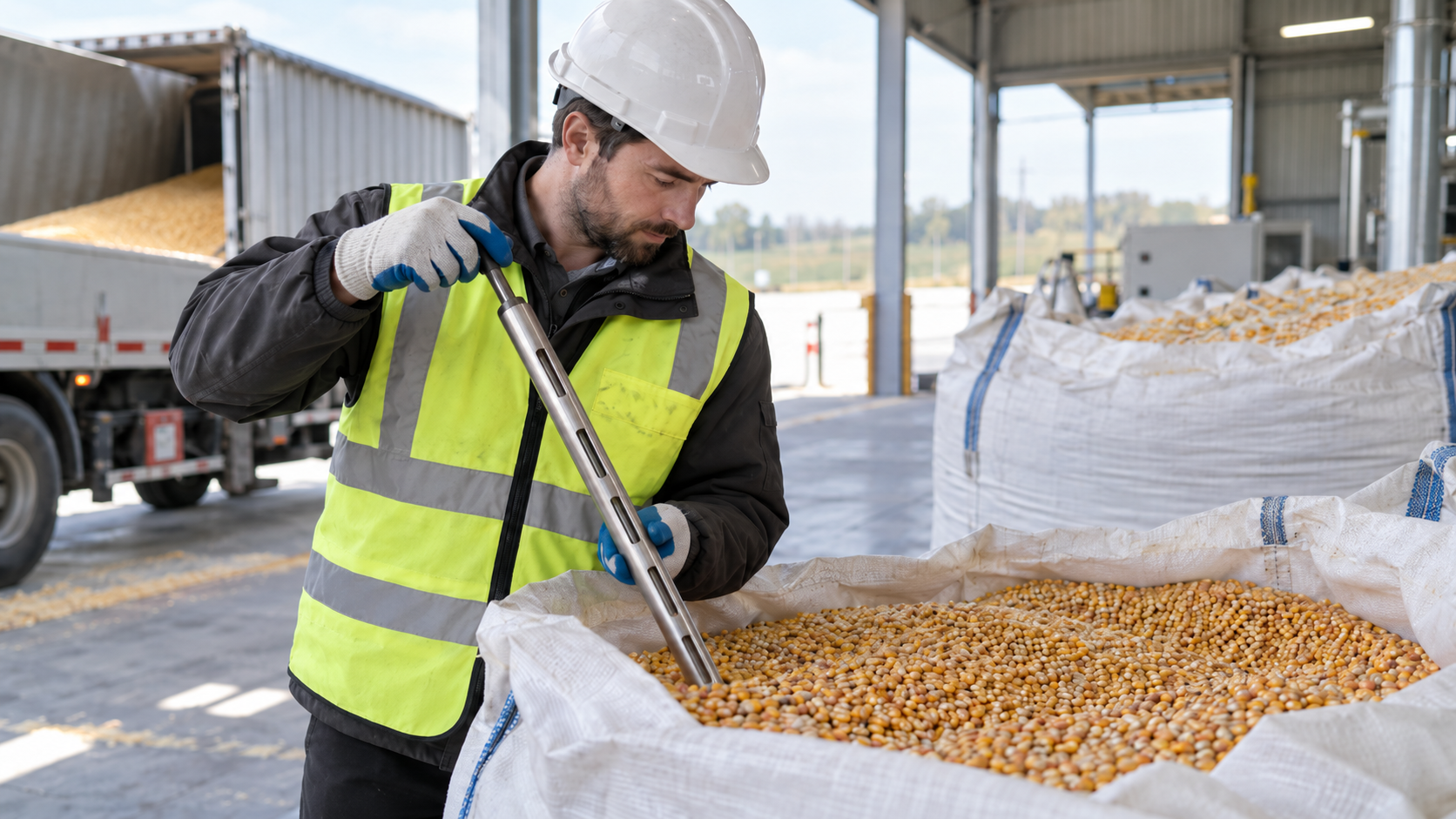
Contamination can begin before harvest and may continue to develop during transportation or storage when moisture, temperature and other environmental conditions are unfavorable.
A comprehensive feed safety program therefore starts with raw material management.
Regular supplier evaluation, moisture control, appropriate storage conditions and laboratory monitoring can help identify potential risks before contaminated ingredients enter feed production.
When these preventive measures are combined with properly selected feed additives, manufacturers can build a more systematic approach to feed quality and production stability.
The latest EFSA assessment reflects the continued development of specialized technologies for mycotoxin control.
At the same time, it reinforces a broader principle within animal nutrition: effective feed safety rarely depends on a single product or treatment.
Raw material selection, quality inspection, storage management, formulation, production control and appropriate mycotoxin management technologies all contribute to reducing feed-related risks.
As feed supply chains become increasingly international and raw material conditions become more variable, systematic quality management will continue to play an important role in livestock and poultry production.
For animal nutrition companies and feed manufacturers, combining reliable quality control with practical feed safety solutions can help support more consistent feed quality and animal production performance.
Source: EFSA FEEDAP Panel, September 2026.
Contact: Highvarve Sales Team
Phone: 18660168226
Email: hhfeed@haihuabio.com
Add: Building 1, 10F, A4, Greenland Guojin Tiandi, Lixia District, Jinan, Shandong, China